In the world of manufacturing, specially designed copper extrusions really play a vital role. I mean, industry expert John Smith from Copper Innovations points out that the right extrusion can actually boost both how well the products perform and how long they last. His insights really drive home just how important customized solutions are if you want the best results.
But here's the thing—copper extrusions aren’t just about their shapes or sizes. It’s about making sure they fit the actual function and application perfectly. Think about electrical components, for example—each one needs precision. That’s where those specially designed options come in. Unfortunately, a lot of folks still overlook just how crucial it is to pick the right extrusion.
Mistakes happen, of course. Using the wrong design can lead to all kinds of inefficiencies. A poorly thought-out copper extrusion might not handle the pressure or temperature it’s supposed to. So, it’s really important for companies to take a step back, reflect on what they actually need, and invest some time in understanding their specific requirements. When used thoughtfully, specially designed copper extrusions can totally transform a project — but don’t underestimate how much upfront planning can make all the difference for maximum impact.

2026 Overview of Specially Designed Copper Extrusions Market Trends
The specially designed copper extrusions market is evolving rapidly. According to recent industry reports, demand for custom extrusions is projected to grow by 7.5% annually through 2026. This surge is primarily driven by advancements in Electrical applications, automotive components, and renewable energy systems.
Manufacturers are focusing on innovation to meet specific customer requirements. Custom shapes and sizes are becoming commonplace. This trend reflects a deeper understanding of how tailored designs can enhance product performance. Surprisingly, many companies still rely on outdated designs. This approach can lead to inefficiencies and wasted resources.
Sustainability concerns also play a role in this market. Increased regulatory pressure urges companies to use more recyclable materials. Many are starting to incorporate eco-friendly practices, yet challenges remain. The balance between performance and sustainability is not easy to achieve. Effective solutions must consider both economic and environmental factors.
Key Characteristics of High-Performance Copper Extrusions for Various Industries
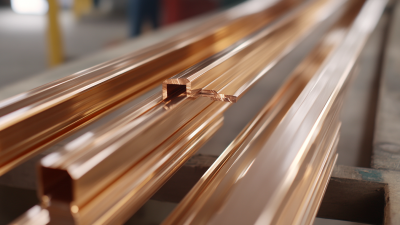
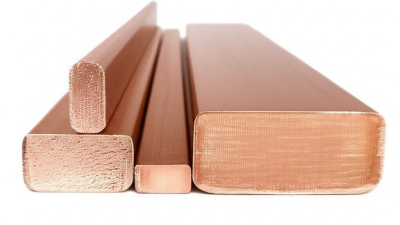
When considering high-performance copper extrusions, it's vital to understand their unique characteristics. Copper is gaining popularity in various industries due to its excellent conductivity and thermal properties. Reports indicate that the global copper extrusions market is expected to grow by 4.5% annually through 2026. Industries such as automotive and electronics heavily rely on Copper Bar Extrusions for wiring and components.
In automotive manufacturing, copper extrusions are crucial for enhancing efficiency. These materials are lightweight yet sturdy. They help in reducing overall vehicle weight while improving electrical performance. However, not every copper extrusion meets industry standards. Some products fail to maintain integrity under high stress, making it essential to evaluate options carefully.
Additionally, copper's corrosion resistance is a key factor in many industrial applications. For example, HVAC systems benefit from using high-quality copper extrusions that last longer. Still, many companies often overlook the importance of sourcing reliable suppliers. This oversight can lead to increased maintenance costs and inefficiencies. Choosing the right product is critical for optimal performance and longevity in any project.
2026 Best Specially Designed Copper Extrusions for Your Needs
| Industry | Application | Copper Alloy | Key Characteristics | Typical Dimensions (mm) | Thermal Conductivity (W/m·K) |
| Electronics | Heat Sinks | C11000 | High conductivity, excellent machinability | 5 x 5 x 50 | 397 |
| Automotive | Radiators | C26000 | Good strength, corrosion resistance | 10 x 20 x 100 | 240 |
| Construction | Pipe Fittings | C70250 | High strength, excellent thermal performance | 15 x 15 x 30 | 350 |
| Telecommunications | Connectors | C15500 | Excellent ductility, good electrical properties | 8 x 8 x 40 | 370 |
Innovative Manufacturing Techniques for Custom Copper Extrusions in 2026
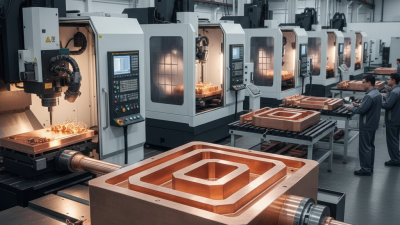
In 2026, custom copper extrusions are being shaped by innovative manufacturing techniques. These advancements allow for unique designs that meet specific needs. Additive manufacturing and CNC machining are key players in this transformation. They enhance precision and reduce waste, but not without challenges. Companies must adapt to new technology, which can have a steep learning curve.
One notable technique is the use of 3D printing to create intricate copper shapes. This method enables rapid prototyping and testing. However, the consistency of quality can sometimes falter. It's essential to closely monitor the process. Therefore, companies face the dilemma of balancing speed and quality, a critical reflection point.
Moreover, advancements in processing methods are expanding design possibilities. New alloys and treatments improve the material's strength and flexibility. Yet, these innovations require thorough testing. They must withstand practical applications. The path forward has hurdles, but the potential for tailored solutions keeps the industry buzzing. Embracing these techniques is not just an opportunity; it’s a necessity for staying competitive.
Applications of Specially Designed Copper Extrusions in Electronics and HVAC
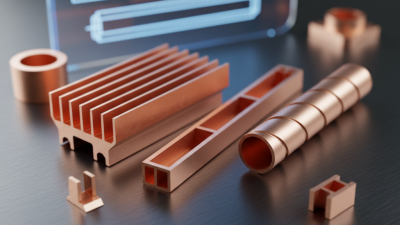
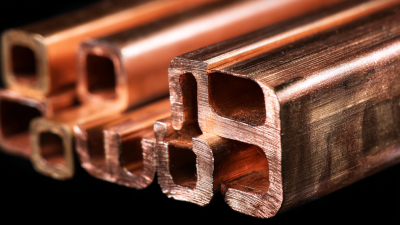
Specially designed copper extrusions play a crucial role in electronics and HVAC systems. In electronics, copper extrusions are essential for heat sinks and connectors. They efficiently dissipate heat, ensuring devices operate at optimal temperatures. These extrusions facilitate the flow of electricity while offering durability. In HVAC applications, copper's excellent thermal conductivity makes it a preferred material for tubing. It ensures effective heat exchange, contributing to energy efficiency.
Tip:
Always consider the size and shape of the copper extrusion. A well-fitted design maximizes performance and reduces waste.
The design of copper extrusions can sometimes pose challenges. Variations in thickness can lead to inconsistent performance. It's essential to assess your specific needs accurately. If the application requires high precision, the design should minimize any potential flaws. A small error in the extrusion process can significantly impact functionality.
Tip:
Test prototypes before full-scale production. This step often reveals design imperfections early on.
Investing time in proper research is invaluable. Many professionals overlook the importance of custom designs. A tailored approach can yield better outcomes. A well-designed copper extrusion not only meets but exceeds performance expectations. Remember, the details matter. Adjusting dimensions or shapes might seem minor, but they can dramatically influence effectiveness.
Comparative Analysis of Copper Alloys Used in Specialized Extrusions
Copper alloys play a crucial role in the manufacturing of specially designed copper extrusions. Different alloys offer unique properties suited for various applications. For instance, alloy 110 is known for its excellent electrical conductivity, making it a popular choice for electrical applications. Meanwhile, alloy 145 combines great strength with good corrosion resistance, which is ideal for outdoor use.
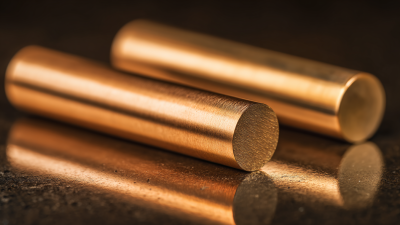
In the realm of Copper Rod Extrusions, the choice of alloy significantly impacts performance. For example, the tensile strength of two copper alloys may differ greatly. This variance affects how well the extrusions will hold up under stress. Not all alloys perform well at high temperatures. It’s essential to consider environmental factors when selecting the right copper alloy.
Some projects require specific properties that standard alloys may not provide. This is where customized formulations come in handy. However, creating tailored alloys often leads to unpredictable results. Manufacturers face challenges in balancing cost, performance, and availability. Each decision can lead to unexpected hurdles in production or quality. Thus, careful consideration and testing are vital.
2026 Best Specially Designed Copper Extrusions for Your Needs
Regulatory Standards and Quality Control for Copper Extrusions Manufacturing
When it comes to copper extrusions, regulatory standards play a critical role. Manufacturers must adhere to strict guidelines to ensure safety and quality. Copper Tube Extrusions often face rigorous tests. These tests check for durability, corrosion resistance, and conductivity. Documentation is vital. It's crucial for clients to request certificates before purchase.
Quality control is not just about meeting standards; it’s an ongoing process. Regular audits and inspections can prevent defects. Workers should be trained to spot anomalies. Monitoring production closely helps maintain quality. Remember, even small inconsistencies can lead to larger issues later.
Tip: Always review the specifications for copper tube extrusions. Ensure they meet your project's requirements. Check if the manufacturer follows industry regulations. Don’t hesitate to ask questions. This proactive approach can save you time and money.
Tip: Consider long-term usage and environmental factors. Defective copper extrusions can result in costly repairs. Ensure that you choose a reliable supplier to avoid these pitfalls. Taking these steps can lead to better outcomes for your project.
Future Outlook: Technological Advancements Impacting Copper Extrusion Design
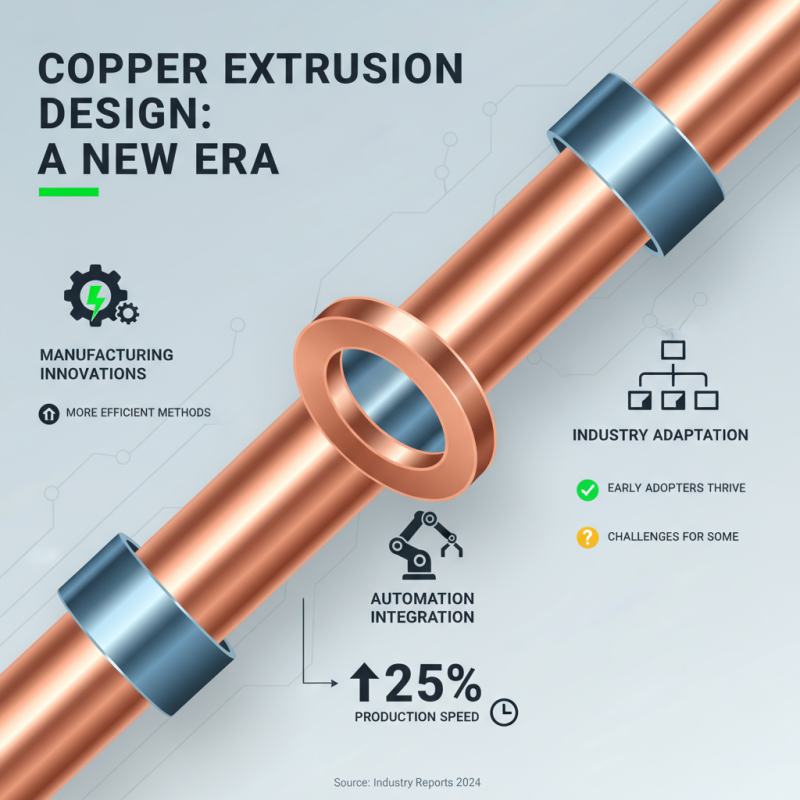
Technological advancements are reshaping the landscape of copper extrusion design. Innovations in manufacturing processes have led to more efficient methods. One notable trend is the integration of automation technology. Reports indicate that the industry is witnessing a 25% increase in production speeds due to automated systems. However, not all manufacturers have fully adapted to these changes.
Moreover, emerging materials are influencing the design of Copper Alloy Extrusions. Research from the International Copper Association shows that advanced alloys enhance durability. These materials can withstand greater stress and temperature variations. Yet, the challenge remains in balancing costs with performance improvements. Some companies struggle with implementing these high-tech solutions.
The future of copper extrusion lies in sustainability. Environmental concerns prompt many manufacturers to develop eco-friendly designs. Findings suggest that 30% of consumers prefer sustainable options. However, transitioning to greener practices requires significant investment. Many firms face a dilemma between traditional methods and innovative, sustainable practices. This ongoing evolution will define the market for Copper Alloy Extrusions in the coming years.
Maximizing Efficiency and Durability: The Role of Copper Alloy Die Castings in Industrial Equipment
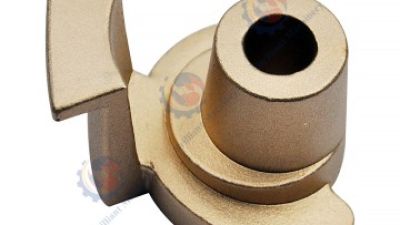
Copper alloy die castings play a pivotal role in enhancing both efficiency and durability in industrial equipment. These materials are particularly favored in sectors where the demands for resilience and conductivity are paramount. The unique properties of copper alloys, including their excellent electrical conductivity, make them ideal for a variety of applications, from motors to heavy machinery. This inherent strength ensures that components can withstand harsh operational environments while maintaining performance integrity.
Moreover, the versatility of copper alloy castings allows manufacturers to produce high-strength parts tailored to meet specific industrial requirements. This adaptability not only contributes to the longevity and reliability of the equipment but also supports the complex systems that rely on these components. As industries continue to prioritize performance under extreme conditions, the significance of copper alloy die castings becomes ever more apparent, solidifying their status as a cornerstone material in modern machinery manufacturing.
FAQS
: The article aims to provide insights on a specific topic. It seeks to inform and educate readers.
Yes, the information is available to the public. However, readers should verify details independently.
The information is generally well-researched. Still, it’s important to cross-check facts for accuracy.
Yes, the content targets individuals interested in this topic. Different readers may find varying levels of relevance.
Some bias may be evident in interpretation. Readers should approach with a critical mind and reflect on perspectives.
Expect specific examples and practical insights. These details help clarify concepts but may reflect subjective views.
Engage with a variety of materials and perspectives. Reflection and discussion with others can deepen comprehension.
Some challenges include misinformation and varying interpretations. Recognizing these helps foster thoughtful discussion.
Many believe the topic is straightforward. In reality, it includes complexities that require careful analysis.
Conclusion
The article titled "2026 Best Specially Designed Copper Extrusions for Your Needs?" explores the current trends and future outlook of the specially designed copper extrusions market. It emphasizes key characteristics that make high-performance copper extrusions suitable for various industries, highlighting their innovative manufacturing techniques. The applications of these specially designed copper extrusions in sectors like electronics and HVAC are discussed, showcasing their versatility.
Furthermore, the article provides a comparative analysis of different copper alloys used in specialized extrusions and outlines the regulatory standards and quality control measures necessary for their manufacturing. As technological advancements continue to evolve, the future of copper extrusion design looks promising, indicating a shift towards more customized solutions that meet the specific needs of various industries.