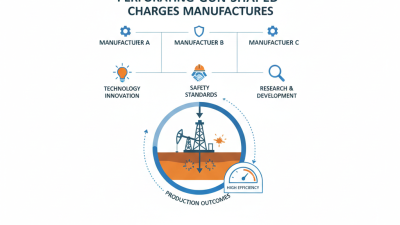
Have you ever heard of perforating Gun Shaped Charges? They're a pretty essential tool in the oil and gas world these days. Basically, they help boost the productivity of wells by making those crucial perforations in rock formations. And get this – a report from the International Association of Drilling Contractors says that good perforation can bump up oil recovery rates by about 30%. That’s pretty significant, right? It just shows how powerful these charges are when it comes to modern drilling.
On top of that, tech advances in design and materials have really boosted their performance compared to the older, traditional options. Big players like Halliburton and Schlumberger have poured loads of resources into research, and their findings suggest that smarter, optimized charge designs can cut down fluid loss and crank up success rates in hydraulic fracturing. Of course, it’s super important to keep pushing for improvements here, because a failure isn’t just a flop—it costs quite a bit and can cause some serious delays.
For folks in the industry, understanding the real benefits of Perforating Gun Shaped Charges is key. Focusing on making these tools better and more efficient means more effective resource management and hitting production targets more often. Striking the right balance between innovation and reliability in perforating tech isn’t just nice to have—it’s essential for getting the most out of every well.
Benefits of Perforating Gun Shaped Charges in Oil and Gas Extraction
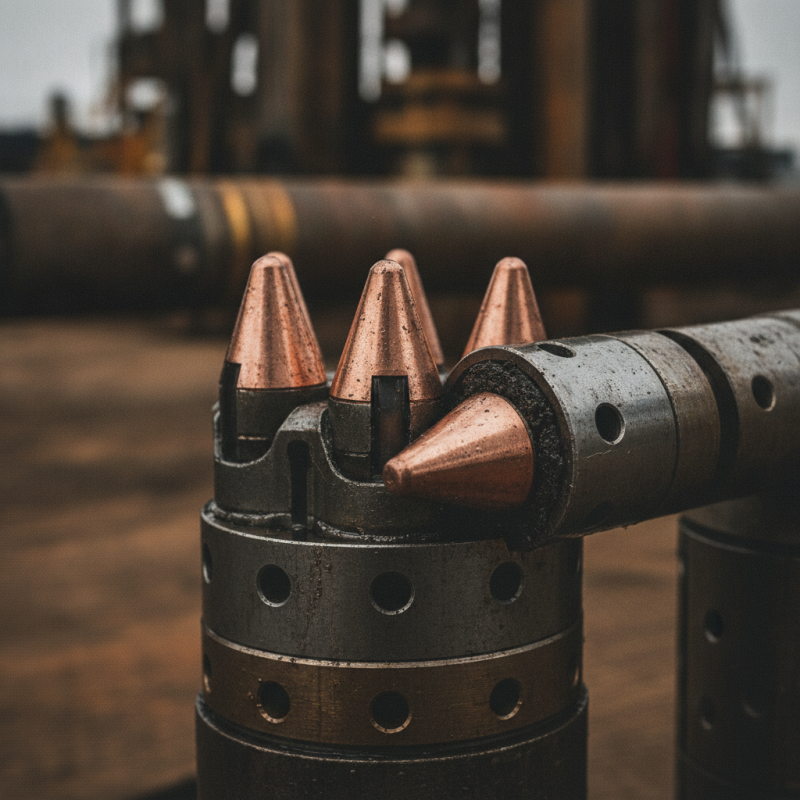
Perforating gun shaped charges play a crucial role in oil and gas extraction. These devices create specific openings in well casings. This allows for the efficient flow of oil and gas from rock formations. With the right design, they can penetrate tough materials. This leads to improved productivity in extraction.
Using H-1 Perforating Gun Shaped Explosives offers several advantages. Their design maximizes energy output, which helps achieve deeper penetrations. This results in better connectivity between the well and the reservoir. Consequently, operators can extract more resources in less time. However, there are challenges related to safety and precision. Miscalculations can lead to ineffective perforations.
It’s essential to understand the balance between power and control. Operators need rigorous training to handle these tools effectively. Although the technology is advanced, human error can still impact results. Continuous assessment and adjustment are key to optimizing outcomes.
Benefits of Perforating Gun Shaped Charges in Oil and Gas Extraction
Comparison of Perforating Gun Types: Advantages and Efficiency Ratings
Perforating guns are vital tools in the oil and gas industry, facilitating the creation of channels in casing and formations. Different types of perforating guns exist, each with unique advantages and efficiency ratings. There are mainly mechanical, shaped charge, and wireline guns. Shaped charge perforators typically offer higher penetration rates, making them efficient for deep well applications. According to industry reports, shaped charges can achieve penetration of over 90% in certain formations.
When comparing gun types, it’s essential to consider factors like cost-effectiveness, depth of penetration, and reliability. Mechanical systems may be less costly but often lack the performance of more advanced solutions. Wireline systems provide immediate data feedback, but may be limited in depth compared to other types. The decision should align with specific project needs and geological conditions.
Tip: Always evaluate the pressure ratings and materials used in the perforating gun design. This can prevent operational failures. Also, consider conducting a performance analysis to identify the best gun for your conditions. Regularly reflect on the performance metrics to ensure the chosen tool meets project demands efficiently.
Impact of Perforating Gun Design on Well Productivity and Flow Rates
The design of H-1 Perforating Gun Charges significantly influences well productivity and flow rates in oil and gas extraction. A well-designed perforating gun can create more efficient pathways, allowing for optimal fluid flow. This efficiency often translates into increased production rates. Improved flow paths reduce the risk of reservoir damage during perforation, enhancing overall well performance.
Fluid dynamics play a crucial role in this context. When the perforation holes are optimally shaped and positioned, it facilitates better connectivity between the reservoir and wellbore. This can lead to enhanced production rates, which are vital for maximizing yield. Engineers often analyze various designs, but it’s not uncommon for trials to reveal unexpected challenges. These include inconsistent flow rates stemming from poorly placed charges.
Furthermore, the impact of perforating gun design is complex. Operators must account for factors like rock type and reservoir pressure. Even small design flaws can have significant repercussions. By focusing on improving the design of H-1 Perforating Gun Charges, the industry can better equip itself to meet the demands of efficiency and productivity in well operations. Continuous testing and refinement are necessary to adapt to varying geological environments while ensuring reliability in performance.
Case Studies: Successful Applications of Perforating Guns in Reservoirs
Perforating guns play a vital role in enhancing oil and gas recovery in reservoirs. Their use has a significant impact on production efficiency. In specific case studies, successful applications have shown how carefully executed perforation leads to increased flow rates. However, the technology does face challenges that need addressing. Designing the optimal perforation pattern is not always straightforward. Incorrect perforation can result in channeling, which adversely affects reservoir performance.
In one case, a reservoir in a mature field benefited from a tailored perforation strategy. Engineers utilized advanced modeling to determine the ideal locations for perforation. They achieved a noticeable increase in production. Yet, there were issues with the initial perforation sizes, which later required modifications. This highlights the importance of continuous improvement in techniques.
Another instance involved unconventional reservoirs where traditional perforating might have failed. By adapting methods for tailored approaches, professionals managed to enhance access to the reservoir. Unfortunately, some attempts resulted in ineffective perforations that required further evaluation. This emphasizes the need for learning from past experiences to refine current practices. Each successful application provides valuable insights into the complex interactions within different reservoir types.
What Are the Benefits of Perforating Gun Shaped Charges? - Case Studies: Successful Applications of Perforating Guns in Reservoirs
| Case Study | Reservoir Type | Perforation Depth (ft) | Production Increase (%) | Comments |
| Case Study 1 | Sandstone | 1500 | 40 | Significant increase in oil flow. |
| Case Study 2 | Limestone | 2100 | 25 | Enhanced porosity led to higher yields. |
| Case Study 3 | Shale | 1800 | 30 | Improvements in fracture connectivity. |
| Case Study 4 | Coal Bed Methane | 1600 | 35 | Increased gas production significantly. |
Safety Protocols and Best Practices for Handling Perforating Charges
When dealing with Hollow Carrier Gun Perforating Charges, adhering to safety protocols is crucial. These charges can create high-pressure perforations in well casings. Proper handling and storage are vital to prevent accidents. Always store charges in a cool, dry place, away from direct sunlight. This reduces the risk of degradation and potential failures during deployment.
Before using perforating charges, ensure that personnel are adequately trained. Training should cover the risks involved and the correct use of protective gear. Regular drills are helpful. They allow for a practical understanding of emergency procedures. Additionally, keep clear communication lines open. This helps to quickly address any concerns during operations.
It's also essential to regularly inspect equipment and safety gear. Any signs of wear or damage should be addressed immediately. Be aware that even experienced teams can overlook minor issues. Regular reflections on these practices can lead to enhanced safety measures. It’s important to foster an environment where team members feel comfortable sharing concerns. Open discussions can significantly improve overall safety management when using Hollow Carrier Gun Perforating Charges.
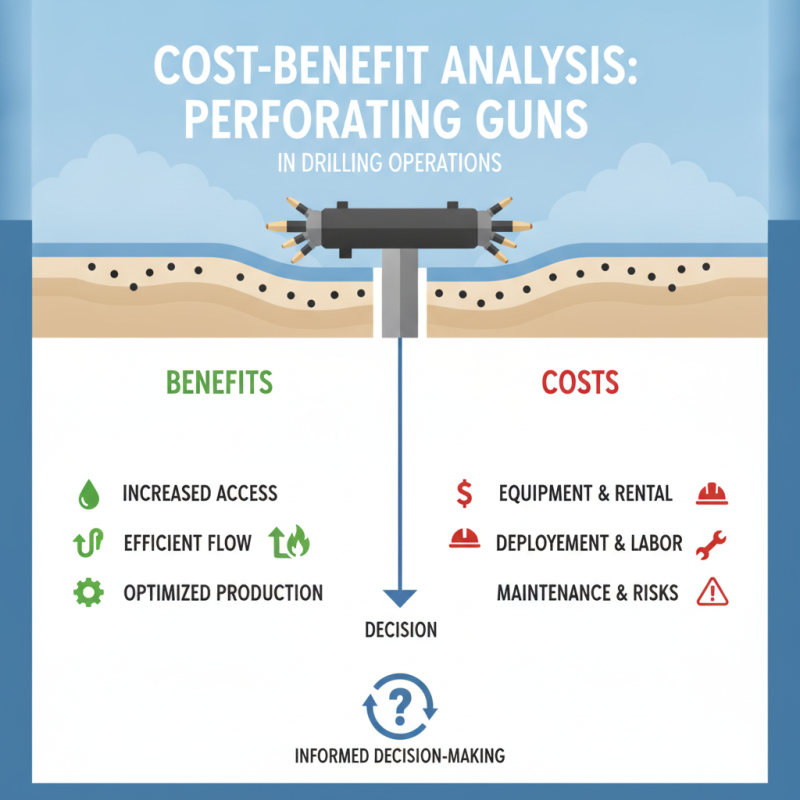
Cost-Benefit Analysis of Perforating Gun Use in Drilling Operations
In drilling operations, the use of perforating gun shaped charges is crucial. Their primary function is to create holes in the casing. This process allows for efficient access to oil and gas reservoirs. However, understanding the cost-benefit analysis of these tools is necessary for informed decision-making.
While perforating guns are effective, they also require financial investment. The cost of Economical Casing Gun Shaped Charges can vary, influencing overall project budgets. Companies must evaluate if the cost of these devices aligns with their production goals. Not every drilling operation may justify this expense. Sometimes, less advanced methods may yield satisfactory results.
Tips: Proper planning is essential. Assess the geological conditions first. This step ensures you select the right perforating method. Additionally, conduct a post-operation review. Analyze the efficiency of your choices. Continuous evaluation fosters better decision-making in future operations.
Future Trends in Perforating Gun Technology and Industry Innovations
The perforating gun technology is evolving rapidly, driven by innovations in materials and design. Recent advancements allow for higher precision in creating perforations. This accuracy reduces unwanted damage to surrounding formations. The increase in efficiency is essential in oil and gas extraction.
New types of explosives are being developed to enhance performance. These offer better control over the depth and shape of perforations. As a result, operators can tailor their applications more effectively. Additionally, automation in the deployment of perforating guns is gaining traction. This minimizes human error and improves safety.
However, challenges remain. There are concerns over the environmental impact of these technologies. Balancing efficiency with sustainability is crucial. As the industry progresses, the focus will be on minimizing waste and reducing carbon footprints. Reflecting on these aspects will drive meaningful changes in perforating gun technology moving forward.
Exploring the Efficiency of O.D. 7" Tie Down Subs for Perforating Guns: Insights from Industry Performance Reports and Application Data
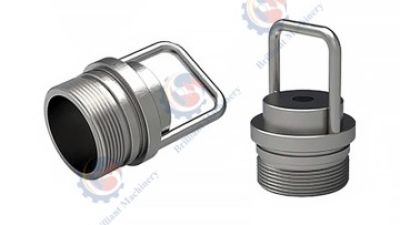
The O.D. 7" Tie Down Sub has emerged as a pivotal component in the assembly of perforating guns, particularly tailored to meet the demands of extreme drilling conditions. Its design, optimized for reliability and durability, features a robust 6-1/4"-6Acme-2G threading system that ensures secure connections among various downhole tools. This engineered compatibility minimizes the risk of slippage or mechanical failure during perforation operations, which is crucial for maintaining uninterrupted workflow and safety in challenging environments.
Furthermore, the structural integrity of the O.D. 7" Tie Down Sub allows it to withstand the significant pressures encountered during the drilling of oil and natural gas deposits. Built to perform in harsh downhole conditions, this sub not only enhances the overall operational efficiency but also provides the stability necessary for long-term performance. By facilitating consistent and reliable operations, the O.D. 7" Tie Down Sub plays an integral role in achieving optimal outcomes in perforation tasks, ensuring that drilling projects can progress smoothly and safely.
FAQS
: They create channels in casing and formations, facilitating extraction processes.
The main types are mechanical, shaped charge, and wireline guns.
They typically offer higher penetration rates, especially for deep well applications.
Mechanical systems may be less costly but often lack advanced performance and efficiency.
Proper evaluation prevents operational failures and ensures safety during use.
Proper storage, training, and regular inspections are crucial to prevent accidents.
It allows immediate addressing of concerns, fostering a safer work environment.
Innovations include higher precision, new explosives, and increased automation for deployment.
Concerns about environmental impact and the need for sustainability remain significant.
Enhanced explosives provide better control over the depth and shape of perforations.
Conclusion
Perforating Gun Shaped Charges play a crucial role in oil and gas extraction, significantly enhancing well productivity and flow rates. The design and type of perforating gun employed can greatly influence the efficiency of drilling operations, with various types offering distinct advantages based on specific reservoir characteristics. Case studies illustrate successful applications of these charges, showcasing their effectiveness in improving extraction outcomes.
Moreover, safety protocols and best practices are essential for handling these charges to mitigate risks during operations. A comprehensive cost-benefit analysis reveals the economic advantages of incorporating Perforating Gun Shaped Charges into drilling strategies, highlighting their value in maximizing resource recovery. Looking ahead, ongoing innovations and technological advancements promise to further enhance the capabilities and applications of perforating guns in the industry.