Contact us
Leave Your Message
0%

You know, with how everyone’s demanding more high-performance materials these days, it’s no surprise that Tin Bronze castings are getting a lot of attention again. I recently read a report from the Global Manufacturing and Material Innovations Organization, and it mentioned that the market for copper alloys—like tin bronze—is expected to grow at about 5% annually until 2025. This growth is mainly driven by advances in the automotive and aerospace industries. Tin bronze castings are pretty impressive—they’re known for being really strong, resistant to corrosion, and able to withstand wear quite well. That’s why more and more industries are choosing them when they need reliable, long-lasting parts.

Dr. Emily R. Johnson, who’s a leading metallurgist over at Alloy Technologies Inc., really emphasizes how crucial Tin Bronze Castings are becoming in manufacturing. She mentioned, “The mechanical properties and versatility of tin bronze alloys are just amazing—they’re essential in everything from Marine engineering to high-speed machinery. As manufacturers push for more sustainable and longer-lasting products, Tin Bronze Castings are playing an even bigger role than before.” It’s pretty clear that these castings aren’t just about ticking operational boxes—they also help manufacturers meet their sustainability goals, making them a smart choice if you’re looking to upgrade your components.

Advantages of Tin Bronze Castings for Enhanced Durability in Manufacturing

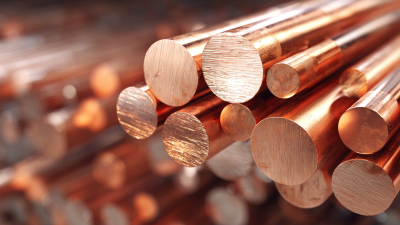
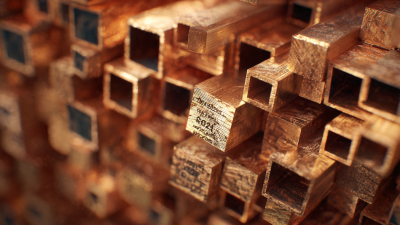
Tin bronze castings have gained recognition in modern manufacturing due to their exceptional durability and performance. The incorporation of tin in bronze enhances corrosion resistance and increases overall strength, making these castings ideal for applications exposed to harsh environments. Industries ranging from marine to automotive benefit from the longevity and reliability that tin bronze provides, reducing the need for frequent replacements and maintenance.

When considering tin bronze for your manufacturing needs, a few tips can help you maximize the benefits. First, ensure that you select a foundry experienced in casting tin bronze; their expertise can lead to superior quality products. Additionally, consider the specific alloy composition that best meets your application requirements, as different percentages of tin can influence the performance characteristics. Finally, test prototypes to assess their behavior under operational conditions before full-scale production.

By leveraging the advantages of tin bronze castings, manufacturers can achieve enhanced durability and operational efficiency. This not only supports sustainability efforts but also contributes to cost savings over time, reinforcing the importance of adopting this material in the production process.

Cost-Effectiveness of Tin Bronze Castings Over Traditional Metals

The rise of tin bronze castings in manufacturing presents a compelling cost-effective alternative to traditional metals. Data shows that these castings not only offer superior mechanical properties but also reduce production costs significantly. Unlike conventional methods that require extensive tooling and machining, tin bronze castings streamline the production process, lowering overhead expenses. For instance, the use of tin bronze can reduce labor costs by approximately 30% due to its ease of use and reduced processing times, as indicated in recent industry reports.

Moreover, the integration of modern techniques such as 3D printing further enhances the efficiency of tin bronze applications. By utilizing advanced technologies, manufacturers can produce complex geometries and customized designs quickly and at a fraction of the cost associated with traditional casting methods. Reports estimate that 3D printing can cut lead times by over 50%, allowing businesses to adapt swiftly to market demands while maintaining competitive pricing. As these innovations redefine manufacturing processes, the benefits of tin bronze castings are becoming increasingly evident, positioning them as a desirable option for various industries, including plumbing and automotive sectors.

Improved Corrosion Resistance in Tin Bronze Castings for Long-Lasting Products

Tin bronze castings have been gaining attention in modern manufacturing due to their remarkable corrosion resistance, making them ideal for producing long-lasting products. The inherent properties of tin bronze enhance its ability to withstand degradation in various environments, a key factor for industries seeking durable components. Recent studies highlight how soil factors can significantly affect the corrosion process in bronze artifacts, underscoring the importance of material selection in environments where moisture and pH levels vary. By choosing tin bronze, manufacturers can ensure their products are not only robust but also maintain their integrity over time.

At Shaanxi Brilliant Machinery Co., Ltd., we are dedicated to advancing manufacturing excellence. Our commitment to sustainability and innovation drives us to utilize materials like tin bronze that align with contemporary standards of quality and durability. The improved corrosion resistance of tin bronze castings reflects our vision of providing exceptional mechanical parts that cater to demanding applications. By incorporating advanced materials and methods, we are not only paving the way for superior manufacturing processes but also enhancing the longevity and reliability of our products in the marketplace.

Exploring the Benefits of Tin Bronze Castings in Modern Manufacturing Process - Improved Corrosion Resistance in Tin Bronze Castings for Long-Lasting Products

Property Tin Bronze Aluminum Bronze Copper-Nickel
Corrosion Resistance Excellent Good Very Good
Wear Resistance High Moderate High
Casting Fluidity Good Excellent Good
Mechanical Properties Superior Tensile Strength High Impact Resistance Good Fatigue Resistance
Applications Marine, Automotive Parts Aerospace, Pumps Heat Exchangers, Valves

Versatility of Tin Bronze Castings in Diverse Industrial Applications

Tin bronze castings have emerged as a vital component in various industrial applications, owing to their unique properties and versatility. This alloy, enriched with tin, not only offers exceptional corrosion resistance but also provides excellent wear and fatigue resistance, making it ideal for sectors ranging from marine to aerospace. The ability to be cast into intricate shapes allows engineers to design more complex components without compromising on performance. Industries such as automotive, electronics, and energy increasingly rely on tin bronze castings for their durable and reliable characteristics, underscoring their significance in modern manufacturing.

At Shaanxi Brilliant Machinery Co., Ltd., our commitment to innovation aligns seamlessly with the benefits of tin bronze castings. We leverage the superior qualities of this material to produce mechanical parts that meet the highest standards of quality and sustainability. By continuously evolving our manufacturing processes, we ensure that our products not only meet the diverse needs of our clients but also contribute to a more sustainable future. Our focus on tin bronze castings exemplifies our dedication to excellence and customer satisfaction, reinforcing our position as a leader in the mechanical parts industry.

The Role of Tin Bronze Castings in Reducing Production Time and Waste

Tin bronze castings are increasingly recognized for their significant role in modern manufacturing, particularly in reducing production time and waste. According to the Technavio market research report, the global demand for tin bronze castings is expected to grow by over 4% annually, driven by their superior mechanical properties and corrosion resistance, making them ideal for various applications, from automotive to marine industries. By using tin bronze materials, manufacturers can enhance the durability of their products, which often translates into less frequent replacements and lower overall material costs.

Moreover, the efficiency of tin bronze castings in the production process cannot be overstated. The National Institute of Standards and Technology (NIST) reports that integrating tin bronze alloys in manufacturing can lead to a substantial reduction in scrap rates—up to 20%—due to their optimized flow characteristics during casting. This not only minimizes waste but also streamlines production timelines, allowing for quicker turnaround on projects and ultimately fostering a more sustainable manufacturing prowess. By optimizing material usage and reducing waste, manufacturers are stepping closer to achieving their sustainability goals while also improving profitability and operational efficiency.

Benefits of Tin Bronze Castings in Modern Manufacturing

Sustainable Manufacturing Practices with Tin Bronze Casting Technologies

Tin bronze casting technologies offer a promising avenue for sustainable manufacturing practices. The use of tin bronze, an alloy known for its excellent corrosion resistance and mechanical properties, significantly enhances the durability of manufactured components. By leveraging recycled materials in the production of tin bronze, manufacturers can reduce their environmental footprint while producing high-quality castings that meet the demands of various industries. This recycling aspect not only conserves natural resources but also minimizes waste, aligning with contemporary sustainability goals.

Moreover, tin bronze casting processes are designed to be energy-efficient, further contributing to sustainable practices. Advanced casting techniques, such as investment casting and sand casting, utilize less energy compared to traditional manufacturing methods. The intrinsic properties of tin bronze allow for thinner wall sections and reduced material usage, which leads to lower energy consumption throughout the production cycle. As industries increasingly focus on greener alternatives, the adoption of tin bronze casting exemplifies a shift towards eco-friendly manufacturing solutions that support both economic and environmental objectives.

FAQS

: What are the main advantages of using tin bronze castings in manufacturing?

: Tin bronze castings offer exceptional durability, enhanced corrosion resistance, and increased overall strength, making them ideal for applications in harsh environments, thereby reducing the need for frequent replacements and maintenance.

Which industries benefit from tin bronze castings?

Industries such as marine and automotive benefit from the longevity and reliability provided by tin bronze castings.

What should manufacturers consider when selecting a foundry for tin bronze casting?

Manufacturers should choose a foundry that has experience in casting tin bronze, as their expertise can lead to superior quality products.

How does the composition of tin bronze affect its performance?

Different percentages of tin in the alloy can influence the performance characteristics of tin bronze, so it’s important to select an alloy composition that meets specific application requirements.

Why is it important to test prototypes of tin bronze castings?

Testing prototypes helps to assess their behavior under operational conditions before committing to full-scale production, ensuring reliability and performance.

How does tin bronze contribute to sustainable manufacturing practices?

Tin bronze enhances the durability of components and allows for the use of recycled materials, reducing environmental impact and conserving natural resources.

Are tin bronze casting processes energy-efficient?

Yes, advanced casting techniques like investment casting and sand casting are designed to be energy-efficient, utilizing less energy than traditional manufacturing methods.

What is the impact of using tin bronze on waste reduction?

The incorporation of recycled materials in tin bronze production helps minimize waste, aligning with contemporary sustainability goals.

In what ways does adopting tin bronze casting support economic objectives?

By enhancing durability and operational efficiency, the use of tin bronze can lead to cost savings over time, making it an economically advantageous choice for manufacturers.

What are the environmental benefits of using tin bronze in manufacturing?

The use of tin bronze reduces energy consumption and conserves resources, supporting both sustainable and eco-friendly manufacturing solutions.

Conclusion

Tin Bronze Castings play a crucial role in modern manufacturing by offering numerous advantages that enhance durability and efficiency. These castings provide improved strength and longevity, making them a cost-effective alternative to traditional metals. Their superior corrosion resistance ensures that products remain functional and aesthetically pleasing over time, which is particularly important for diverse industrial applications. Additionally, Tin Bronze Castings contribute to reducing production time and waste, aligning with sustainable manufacturing practices.

At Shaanxi Brilliant Machinery Co., Ltd., we recognize the importance of Tin Bronze Castings in setting a new standard for quality and sustainability in the mechanical parts industry. Our commitment to innovation and excellence drives us to leverage these advanced materials, ensuring that our customers receive products that not only meet but exceed their expectations while minimizing environmental impact.
Isabella

Isabella

Isabella is a dedicated marketing professional at Shaanxi Brilliant Machinery Co., Ltd., where she plays a pivotal role in promoting the company’s commitment to manufacturing excellence and sustainability in the mechanical parts industry. With a deep understanding of the technical aspects of the......
Previous Maximizing Value with Cold Forged Fasteners How to Reduce Maintenance Costs Effectively
Next How to Choose the Right Gas Well Perforation Charges for Maximum Efficiency